

Pain Management
Pain Management
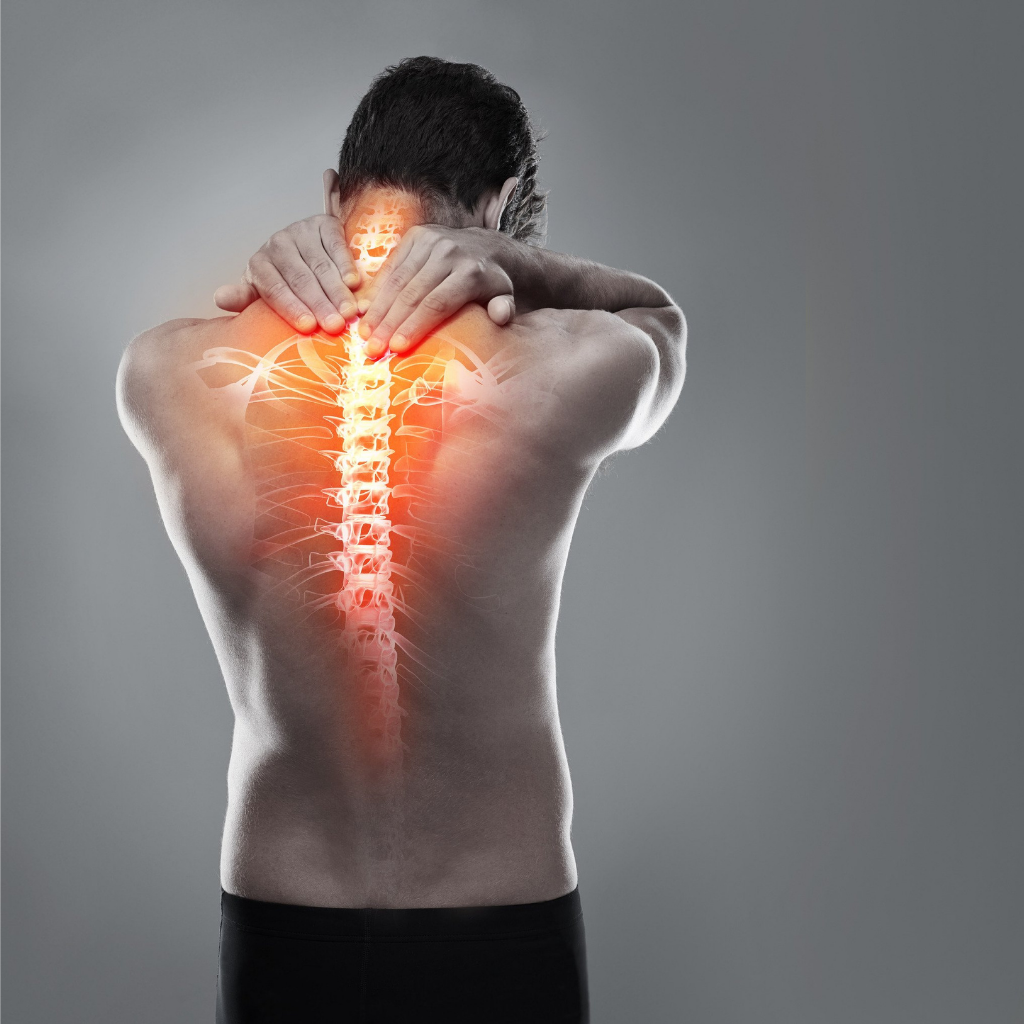
Pain can be described as any kind of physical suffering or discomfort caused by illness, injury, or imbalance in the body.
Even mild pain can disturb your daily routine, reduce focus, and affect your overall quality of life. Pain may present in different forms — throbbing pain (toothache, headache), spasmodic pain (renal colic), gnawing pain (abdominal issues), muscular pain (sprains, sports injuries), or joint pain (swelling, stiffness).
The common response to pain is to take painkillers, but frequent use can lower natural resistance, cause side effects, and suppress symptoms without addressing the root cause.
Ayurvedic Perspective
According to Ayurveda, the root cause of pain is the vitiation (imbalance) of Vata dosha.
When Vata is aggravated due to factors like irregular lifestyle, improper diet, stress, or injury, it leads to obstruction in body channels and results in pain.
By bringing Vata dosha back into balance, pain can be reduced or eliminated naturally — without harmful side effects.
Major Ayurvedic Pain Management Therapies
1. Snehan & Swedan (Oleation and Sudation)
-
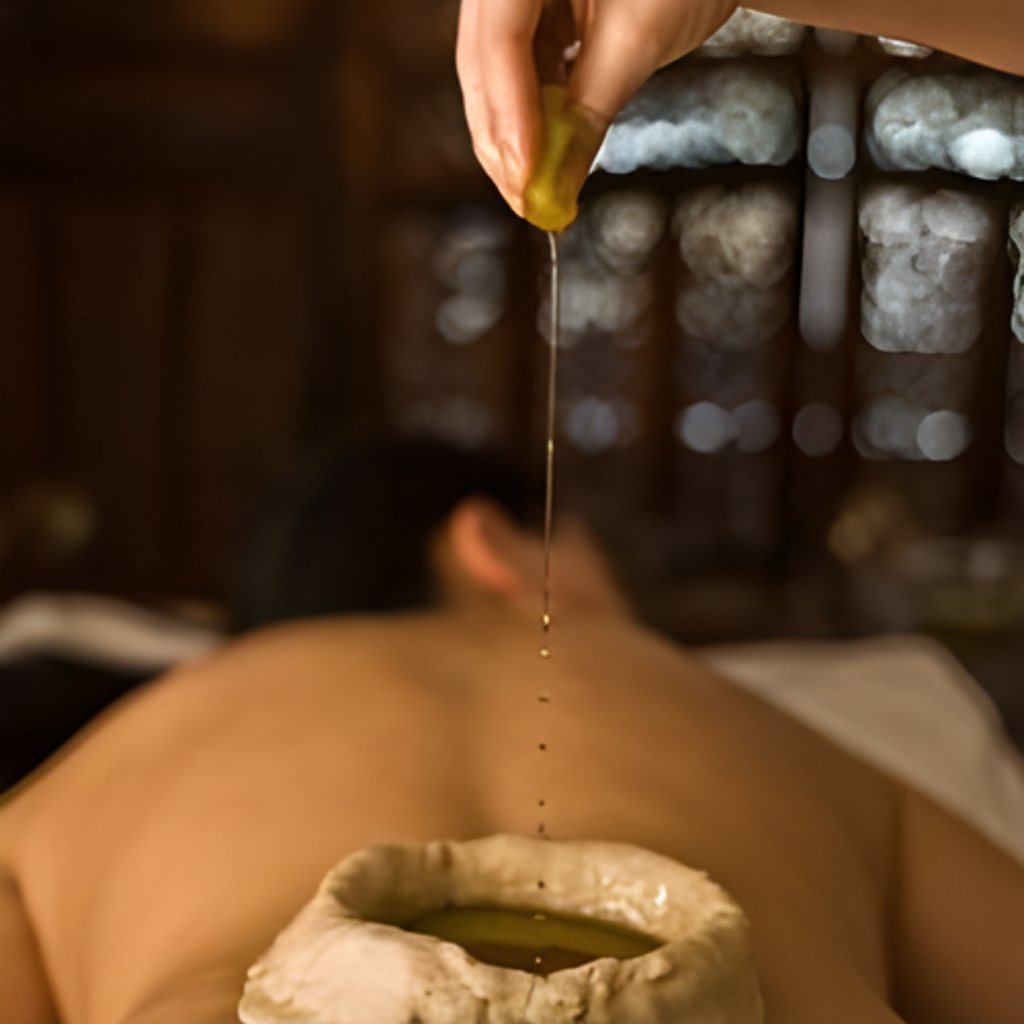
-Snehan involves applying medicated oils selected according to the type and location of pain.
-
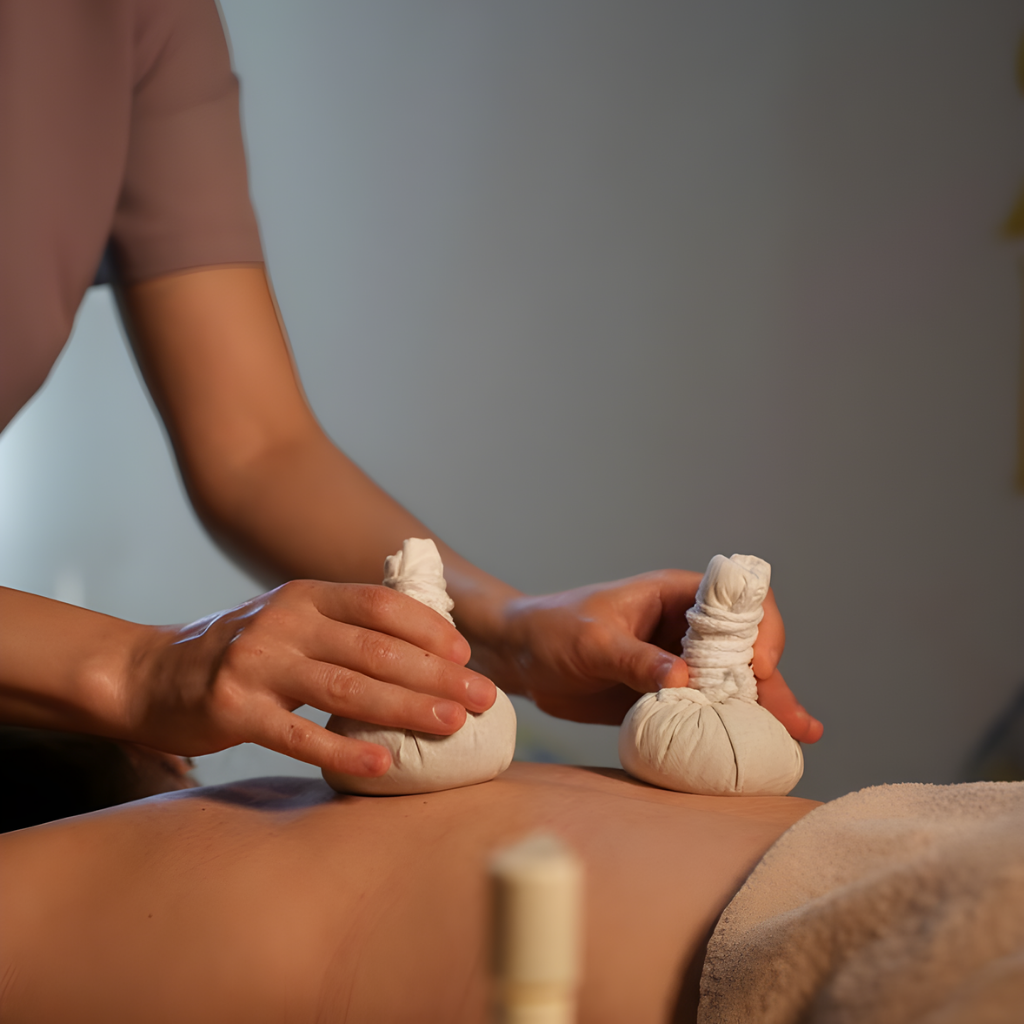
-This is followed by Swedan, a sudation (sweating) therapy using steam, dry heat, or special techniques like Patra Pottali Sweda and Pinda Sweda.
-
-These therapies relax muscles, reduce stiffness, improve circulation, and calm Vata dosha.
Indications:
-
-Sprains and strains
-
-Back pain and muscular injuries
-
-Sports injuries
-
-Stiff joints or localized swelling
Special Basti Therapies:
For deeper relief, localized Basti procedures are performed:
-Kati Basti – lower back pain
-Janu Basti – knee pain
-Manya Basti – cervical pain
-Hrid Basti – cardiac region support
-Netra Basti – eye-related pain and fatigue
In abdominal pain like renal colic or gas accumulation, Basti therapy (medicated enema) gives excellent results. Internal oleation — consuming 2–3 tsp of ghee daily — is also recommended to balance Vata internally.

2.Agnikarma (Thermal Micro-Cautery)
Agnikarma is a therapeutic procedure that uses controlled heat to provide quick pain relief.
Method:
-
-A special gold rod with a blunt end is gently heated.
-
-The other end is applied to the affected area, transferring heat in a controlled manner until the patient feels comfortable warmth.
-
-This helps improve blood circulation, reduce stiffness, and stimulate healing.
Indications:
-
-Joint pain (knee, shoulder, hip)
-
-Cervical & lumbar spondylosis
-
-Sciatica and nerve path pain
-
-Frozen shoulder
-
-Heel pain (using direct heat with earthen rod or turmeric root)
3. Raktamokshana (Blood Letting Therapy)
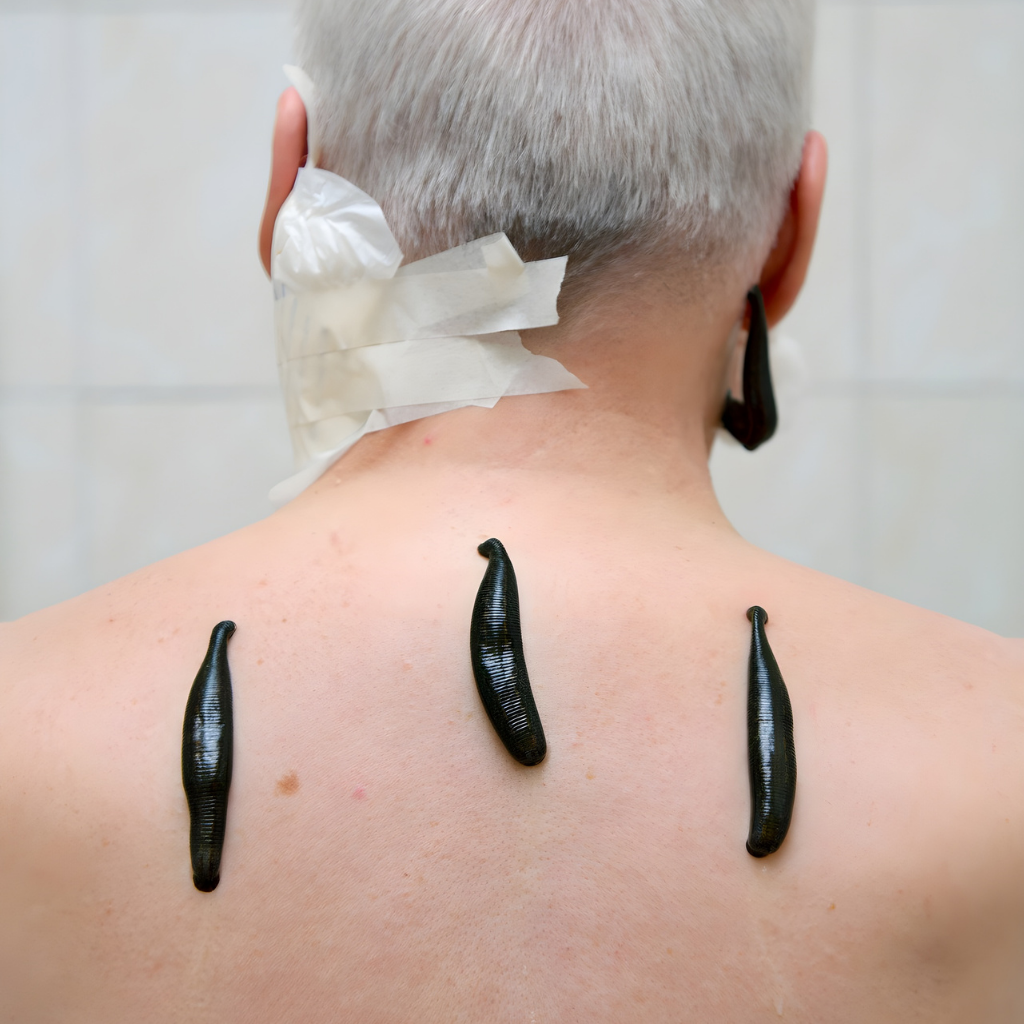
Raktamokshana is one of the five purification therapies (Panchakarma) in Ayurveda, designed to remove vitiated (impure) blood from the body to treat pain, inflammation, and various systemic or localized disorders.
It helps eliminate toxins from the bloodstream, balances Pitta and Rakta (blood), improves circulation, and provides quick relief from many chronic and acute conditions.
Ayurveda explains that when impure blood accumulates in a particular part of the body, it causes pain, inflammation, skin disorders, and sluggish healing. By removing this blood safely, fresh, oxygenated blood flows to the tissues, accelerating recovery and restoring balance.a) Jalaukavacharana (Leech Therapy)
-
Leeches naturally draw out impure blood without harming healthy tissue.
-
Useful for painful cracked heels, inflammatory skin conditions, headaches due to pitta, localized swelling, and contused wounds.
b) Syringe / Scalp Vein Blood Letting
-
Involves drawing small amounts of blood from veins.
-
Beneficial in patients with persistently high blood pressure and certain vascular pain conditions.
Effect:
Once impure blood is removed, pain often subsides immediately, and tissues heal faster.


4. Viddha Karma (Therapeutic Puncturing)
Viddha Karma is a precise, minimally invasive procedure similar to micro-bloodletting.
-
A fine needle (often insulin needle) is used to puncture specific marma (vital) or symptom-related points.
-
It helps relieve nerve-related and localized pain by releasing blocked energy and reducing pressure.
Indications:
-
-Headache, eyeache, tonsillitis
-
-Nasal blockage
-
-Renal colic
-
-Neuralgias and radiating joint pain
5. Lepa (Herbal Paste Application)
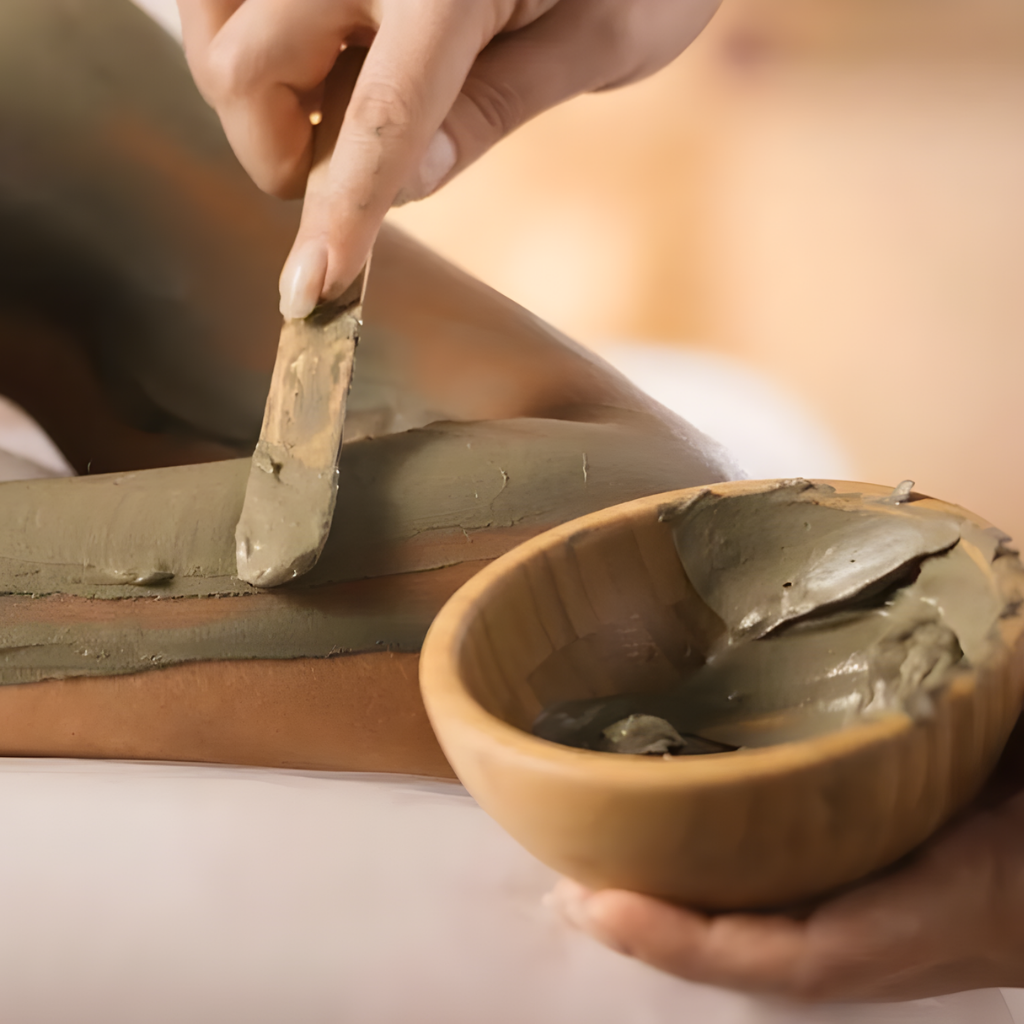
Lepa involves applying a freshly prepared herbal paste on the affected area and leaving it to dry.
This draws out inflammation, reduces pain, and provides localized healing.
Indications:
-
-Swelling
-
-Joint pain
-
-Sprains and injuries
-
-Inflammatory conditions
Benefits of Ayurvedic Pain Management
-
Treats root cause by balancing doshas, not just symptoms -
Safe and natural—no side effects of long-term painkiller use -
Effective for both acute and chronic pain -
Improves mobility, flexibility, and strength -
Provides long-lasting relief with holistic healing -
Can be personalized for each patient’s condition and constitution